School Counseling
Why Study School Counseling?
Graduate | Education | CEBAH
Become a skilled, confident and practice-ready school counselor through UW-River Falls CACREP-accredited graduate program. Built for working professionals and grounded in the ASCA National Model, our program prepares you to support the academic, social and emotional success of students from day one. Our program is aligned with state and national standards, ensuring you graduate with a comprehensive toolkit to serve K-12 populations.
Check Us Out!
The UW-River Falls school counseling program will host an in-person Prospective Student Open House Wednesday, Oct. 28, from 5:30-7 p.m in Wyman Education Building (WEB) 119. Attendees will meet program faculty members and current program students, hear about what makes the program unique and learn about program application strategies. For general driving directions, use 410 S. 3rd St., River Falls, WI 54022. Use the campus map to locate WEB (#19 on map) and parking options. Pay 1 and Pay 2 lots usually work well but please allow for a 5-10 minute walk to WEB after parking.
The UWRF advantage: At UWRF, we combine the rigor of a nationally accredited curriculum with the flexibility needed for working adults.
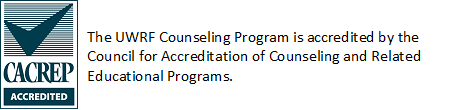
- CACREP accredited: Meet the highest standards of professional counseling excellence, increasing your license eligibility across the country.
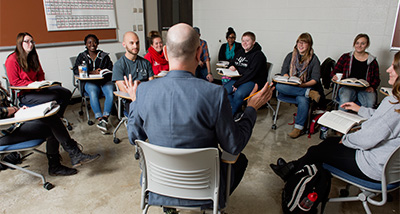
- Practitioner-focused learning: From foundational theory to hands-on practicum and internships, you will gain real-world experience in a blend of small, in-person and online classes before you graduate.
- Flexible evening scheduling: Our evening courses allow you to maintain your professional commitments while earning your degree.
- 98.6% job placement rate: Join a legacy of success. Our graduates are highly sought after by school districts across the Midwest.
- Financially accessible: Per-credit tuition starts at $518 for Wisconsin residents/$735 for Minnesota residents, plus segregated fees (starting at $224) and estimated textbook expenses. The Student Billing Office can answer any questions you have about tuition and fees. Financial support options and scholarships are available to those who qualify, including Minnesota reciprocity.
Core areas of mastery:
- Human foundations: Explore lifespan development and cultural and ethical foundations.
- Professional practice: Master counseling skills, career development and assessment.
- Program leadership: Learn to evaluate and implement comprehensive school counseling programs.
- Clinical experience: Bridge the gap between theory and practice with two clinical field experiences: an early practicum (flexible for working adults) and a final-term internship.
Flexibility built for you: We understand that every student’s journey is different. In our program, you have the power to choose your pace. Working alongside a dedicated faculty adviser, you can customize your degree plan—taking one, two or three classes per semester—to find the balance that works for your schedule.
Licensure ready: Our graduates are eligible for license in both Minnesota and Wisconsin, due in part to our CACREP accreditation. Students seeking licensure elsewhere should confirm with other states' Boards of Education about license requirements - we can help!
Ready to make a difference? Your future in school counseling starts here. Join a community of dedicated faculty and passionate peers committed to student success.
Rolling application deadlines (rolling application):
- Fall semester start: Apply by August 10
- Spring semester start: Apply by December 1
Learn more about our Counseling and School Psychology Department and follow us on Facebook and Instagram.
Program Details
Application Process
Thank you for your interest in our program. Be sure to follow all steps to ensure a completed application. We will review complete applications within a couple of weeks of completion. Applicants are encouraged to check application status regularly by logging into their Applicant Portal.
Application deadlines (rolling application):
- Fall semester start: Apply by August 1
- Spring semester start: Apply by December 1
Application materials and submission methods
All materials are required unless otherwise noted. Incomplete and late applications will not be considered. Please follow the required submission methods to ensure proper receipt of your application materials. Contact graduateadmissions@uwrf.edu with questions.
- Online application and $56 application fee: Apply at apply.wisconsin.edu/, which initiates your applicant portal. You do NOT need a "campus statement" in this section.
- Submit payment electronically at the same link. You can pay immediately or return and pay before the application deadline.
- Once you submit the UW System application, we'll send you an email within 1-2 days confirming receipt of your application. The email will provide instructions on how to activate your Falcon account and access the applicant portal.
- Resume: Upload your resume to your applicant portal.
- Letter of interest:
- The Counseling Letter of Interest can be found in your applicant portal.
- Please respond to each question. Be specific and focus on the question.
- There is no length minimum or maximum requirement for each response.
- Be sure to proofread or have someone you know proofread for errors and clarity.
- Three letters of recommendation:
- References can be added in your applicant portal. Once you submit the names of your references in your applicant portal, they will be emailed directly with a request to submit a letter of recommendation on your behalf.
- There is no official ranking form, checklist or waiver for letters of recommendation. References should write their own letter.
- Good letter writers are those who can speak objectively to your potential, such as professors, work supervisors or colleagues.
- Speak with letter writers ahead of time about why you want to become a school counselor and why you want to study at UWRF and follow up to meet the deadline.
- We want to read about specific reasons you would be a good fit for the profession and this program.
- Official transcripts from your undergraduate degree granting institution (required) and graduate schools attended (if applicable):
- Please send electronic transcripts. Most universities use either Parchment or the National Student Clearinghouse services. Visit your college's website to see which one they use. When ordering a transcript, select the University of Wisconsin-River Falls as the recipient.
- OPTIONAL: Graduate Record Examination (GRE) scores: GRE scores are not required but will be considered if official results are submitted.
Curriculum
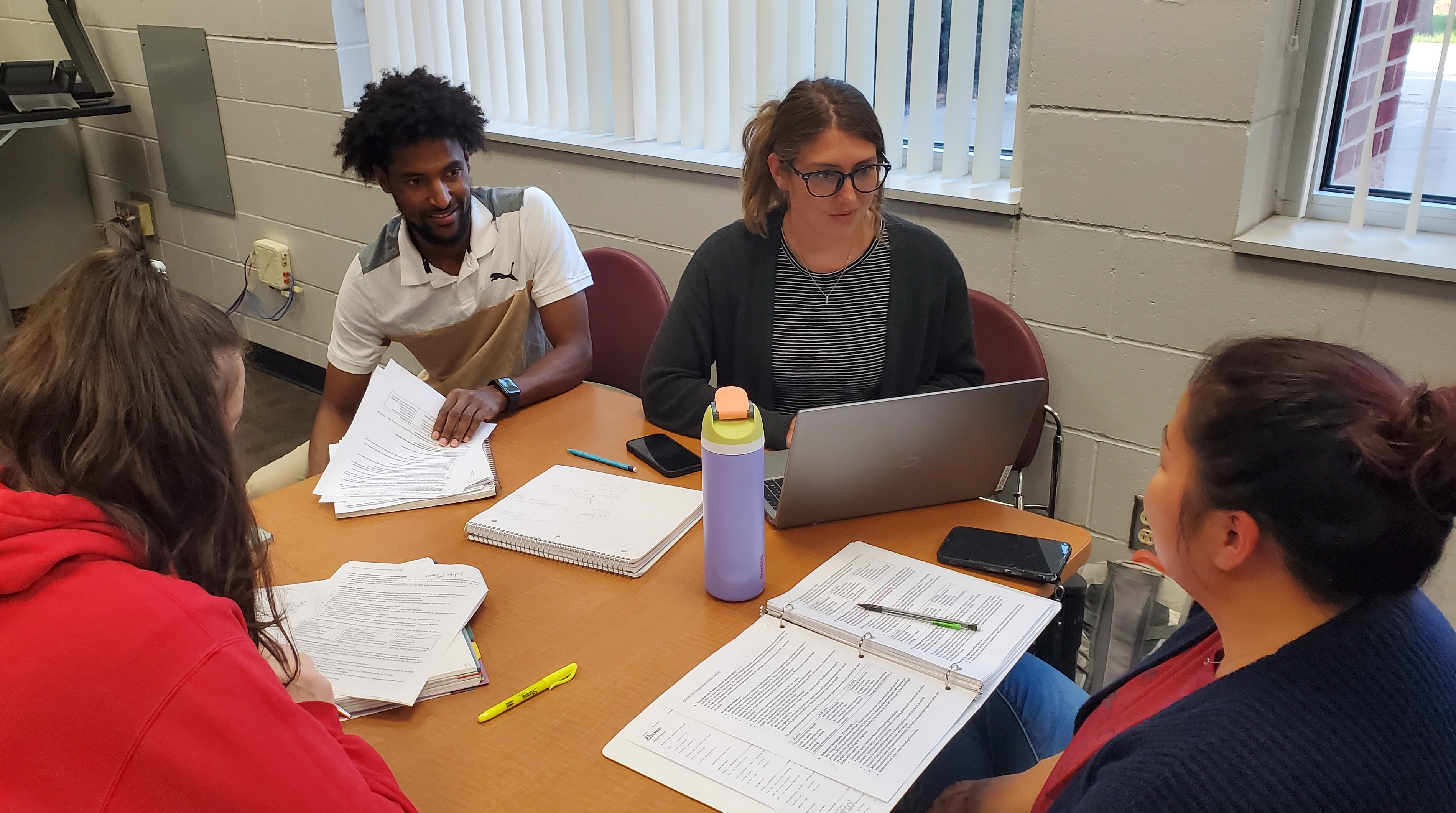
The CACREP-accredited Counseling Program offers primarily in-person coursework focused on counseling theory, skills and comprehensive school counseling programming, built from foundational coursework in lifespan human development, cultural and ethical foundations, career development practices, assessment and program evaluation. Students can expect to complete two practical field experiences: practicum in the middle of the program and an internship at the end. Using the American School Counselor Association (ASCA) National Model as a foundation, each class strategically prepares students to be job-ready on day one.
Classes meet weekdays in the evenings, allowing working adults the flexibility needed to earn their graduate degree. Degree-planning is also flexible- students can determine if one, two or three classes per term best fit their needs, with a faculty adviser to help you make your plan. Students are license-eligible in Minnesota and Wisconsin and should confirm with other states' Boards of Education about license requirements if seeking employment elsewhere.
CACREP Accreditation and Outcomes
The 2024 CACREP Outcomes Report for our school counseling program shows that (A) 15 students graduated from the program during the 2024-2025 academic year. Overall, 86% of students since 2018 have completed the program within the maximum time period of seven years. (B) Of the students who chose to take the exam since 2017, 87% passed the Praxis Exam (Praxis II exam is not required for licensure in Wisconsin or Minnesota). (C) Data from 2024-2025 reveals that of our graduates seeking school counseling employment, 93% obtained positions as school counselors. (D) Over the last five years, 98.6% of our graduates have obtained school counseling positions when seeking such positions.
Frequently Asked Questions
You've got questions, we've got answers! We've compiled a list of frequently asked questions to help guide you. If you've got additional questions, don't hesitate to reach out via email or by phone at 715-425-3237.
Future Students
Future counseling students, visit our Future Students page to learn details about our program, including info on the application process, scholarships, tuition and more!
Current Students
Already enrolled in our counseling program? Visit our Current Students page to learn more about course options, scholarships, the student association and more and find important information about portfolios, practicums, internships and more!
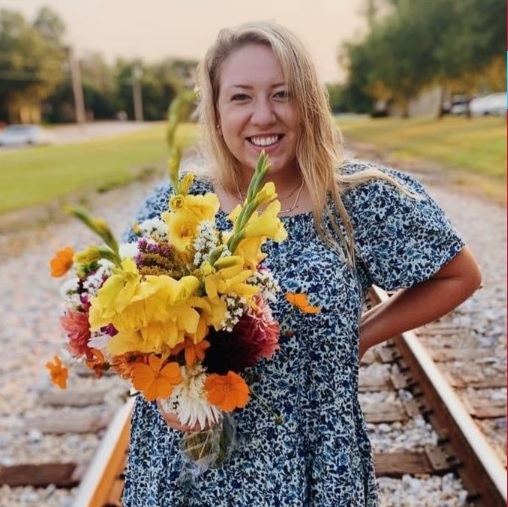
I chose the UWRF School Counseling program because it allowed me to work my full-time job while completing my studies to get my Masters. As I have started this program, it is apparent that the professors care for their students and help you become a school counselor with your unique qualities and strengths. The classes thus far have been really interesting and have challenged me to reflect upon my identity and what kind of counselor I want to be. This program has been a good fit for me because it has allowed me to have growth and reflection in many different ways in my life while having the support of the staff at this program.
Megan Schetter
Skills and Learning Outcomes
- Identify as professional school counselors through language and behaviors.
- Implement and advocate for comprehensive school counseling programs.
- Support student success by incorporating best practices through research, scholarly literature and technology.
- Consult, collaborate and establish partnerships with stakeholders.
- Apply ethical, developmental and cultural practices in school counseling.
Types of Courses
- Behavioral Assessment and Intervention
- Career Counseling
- Comprehensive School Counseling Programming
- Counseling Theory and Skills
- Cultural and Ethical Foundations of Counseling
- Exceptional Child
- Group Counseling
- Higher Education Administration
- Lifespan Human Development
School Supervision and Instructional Leadership
- Degree Type: Graduate
- Area of Interest: Education
- College: CEBAH