UNIVERSITY OF WISCONSIN River Falls


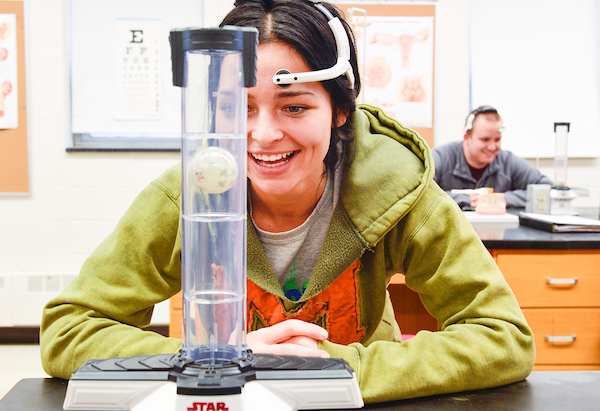
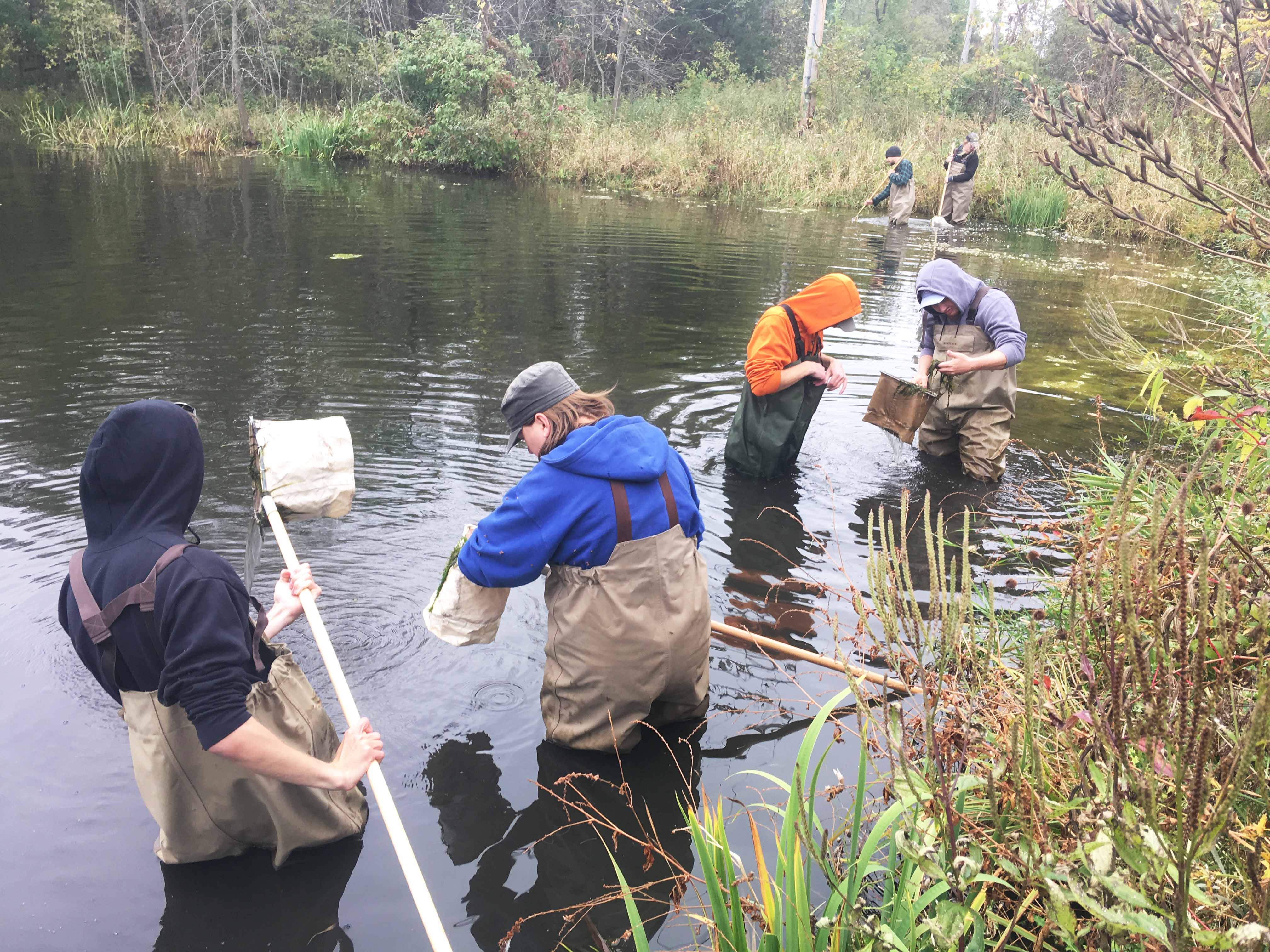
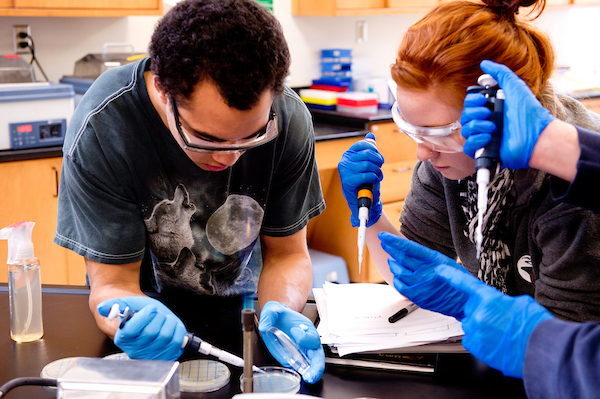
“Undergraduate research, across a range of disciplines, is a distinctive strength of our campus, and it is the dedicated mentorship of our faculty that is a key component of providing these opportunities for UWRF students.” -UW-River Falls Chancellor Dean Van Galen
Biology
UWRF Biology
The Department of Biology prides itself on the diversity of training, research experiences, and interests of its faculty members, as well as a commitment to individualized student attention. At UW-River Falls, students are encouraged to be independent thinkers, challenge traditional wisdom, and to behave ethically and socially. They are encouraged to follow an environmentally sound life-style that will produce responsible global citizens.
The University of Wisconsin-River Falls Biology Department offers several degree options that prepare students for various careers. All of the programs place heavy emphasis on undergraduate research as well as provide numerous opportunities for internships and international experiences. For more information visit our Degrees page.
Our department is located on the fourth floor of the Agricultural Science building. Please make arrangements to stop in and see us if you are visiting campus!
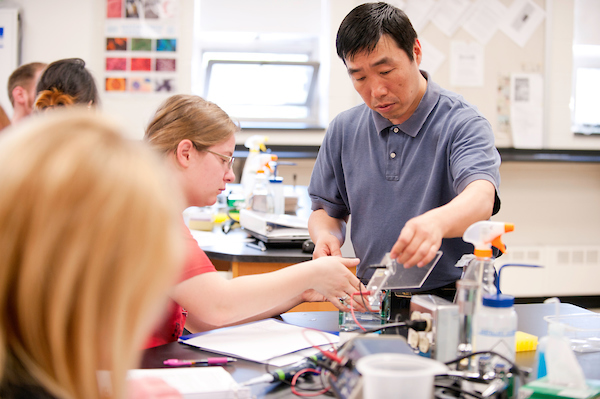
Dr. Cheng-Chen Huang to receive Keith Wurtz Award
The Wurtz Award supports up to two faculty per year to recognize outstanding and innovative teaching. The award is designed to support innovators and those who demonstrate "trailblazing" characteristics.
“Since coming to the Biology department, Dr. Huang has developed several classes, each centered around involving undergraduate students in genuine research opportunities. In the Study Abroad Course in Taiwan, students participate in research in heart failure drugs in several laboratories. They also attend lectures and learn about Traditional Chinese Medicine. The students travel to several different areas of the island, so they learn about the island as well. Students come back with a new perspective on Western Medicine in addition to an appreciation for the research it takes to develop remedies. Students talk about this class as the highlight of their UWRF experience, and as something that solidifies their desire to become a physician”.
Read About Biology Students Hired Before Graduation
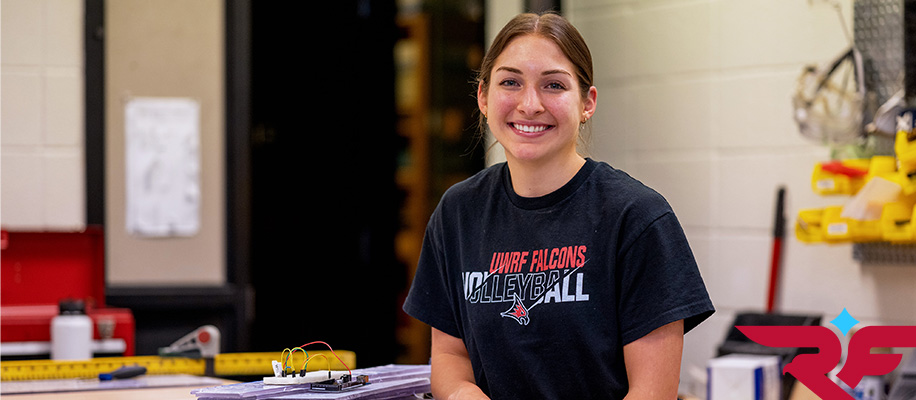
“There are so many opportunities here at UWRF to do quality research,” Langlois said. “It seems like every professor really wants to help you and is willing to spend time with you.”
Sarah Langlois, who will graduate with a bachelor’s degree in biomedical and health science; and mathematics from the University of Wisconsin-River Falls on May 6, is on her way to creating devices of her own. She will continue her education after having been admitted to the University of Minnesota’s doctoral program for biomedical engineering.
Read more about Students Hired Before Graduation
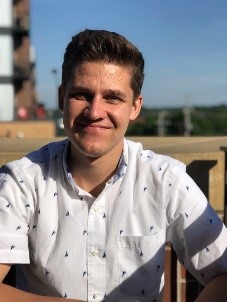
“From day one, the faculty and staff that I studied with at UW-River Falls dedicated themselves to me and my success. My advisor made me feel like I always had someone in my corner, and my resident assistant Rylee worked his butt off to forge friendships among residents that still exist today. I have made friends with biology and chemistry majors and formed study groups that meet weekly to help us learn together. I would say the most important step that I took to be successful at UWRF was to create a supportive network of faculty and of successful peers and to actively engage with them.” -Jase Baker, Pre-Med / Biology, Center City, MN
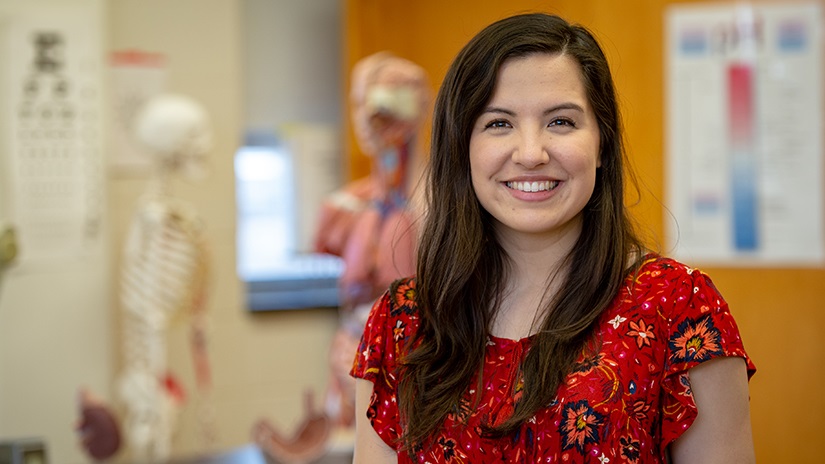
“I Instantly fell in love with the UW-River Falls campus. I think what spoke to me the most was how personable the staff was. It felt so genuine and authentic. I felt like I was truly being cared for, truly being seen on this campus and that was just my first visit.” - Olivia Yue, 2019 Biology Graduate
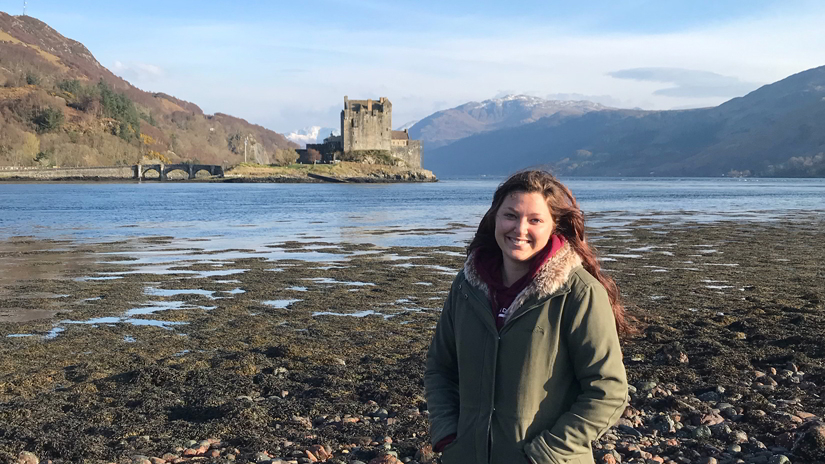
“UW-River Falls was the first school I toured and I loved it,” she says. “My hometown of Northfield, Minnesota, is a town similar in size to River Falls and also a college town. I just felt like I was in a new Northfield with different people when I was in River Falls. I also couldn’t get over how nice everyone was.” - Sarah Slinger, 2019 Biology Graduate
Items of note:
Dr. Scott Ballantyne's work studying the genetics of invasive mussels highlighed in Chicago Tribune article.
New STEM Scholarship created for first generation students.
UWRF students participate in the National Science Foundation grant to study the effect of pinenes molecules released by conifer trees.
Learn about The UWRF Science and Technology Innovation Center:
- https://www.uwrf.edu/scitech/
- RCU Foundation Presentation Room
- Read the April 12, 2019 Chancellor's Blog
- Support the SciTech Project
Read about Biology students Hired Before Graduation and Employment among recent UWRF graduates.
Contact Us
Biology Department
biology@uwrf.edu
715-425-3591
414 Agricultural Science
611 South 3rd Street


