


Dear Prospective Student,
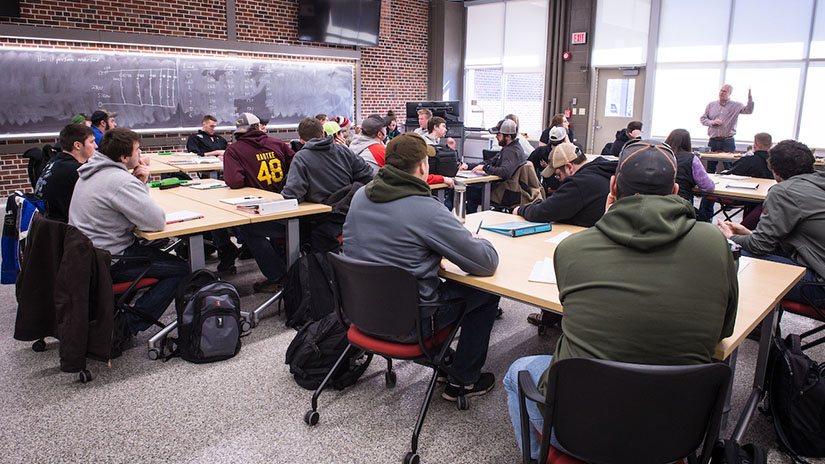
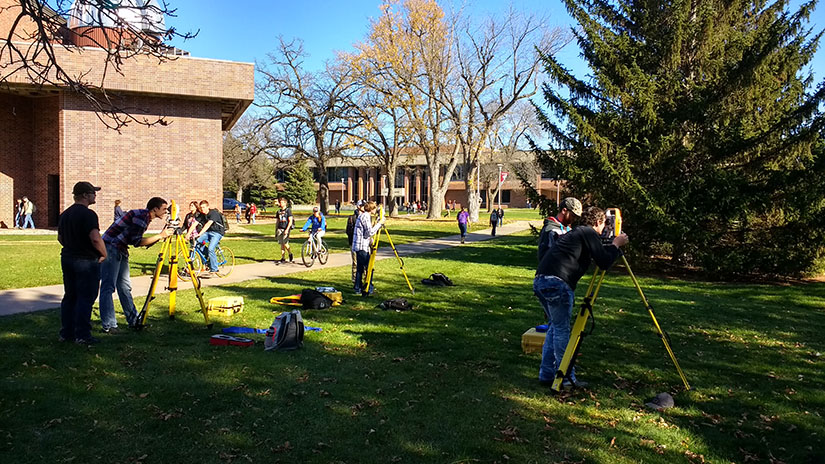
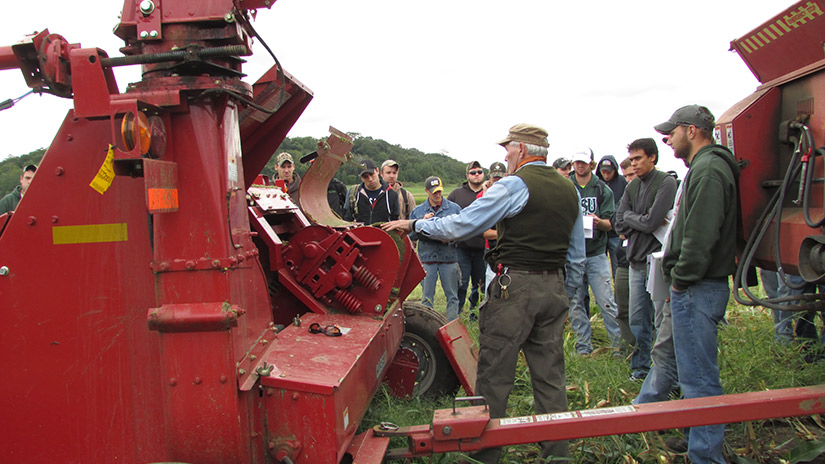
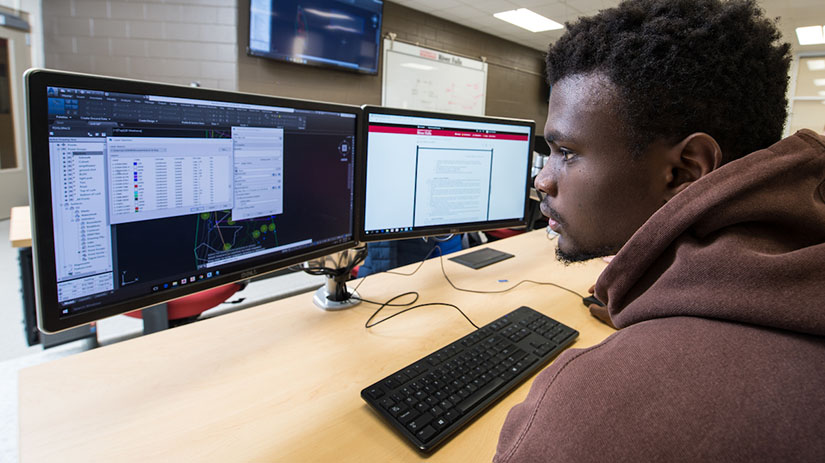
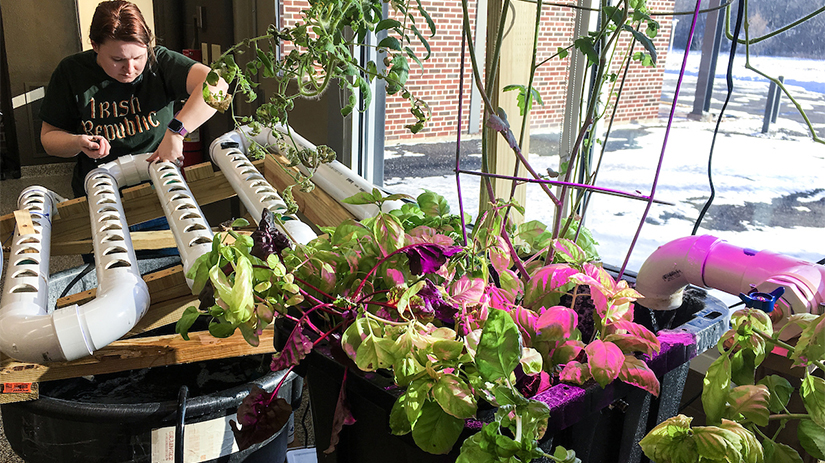
 Welcome to the Agricultural Engineering Technology Department at the University of Wisconsin-River Falls. Our curriculum is designed to enhance student learning by incorporating hands-on projects in most courses.
This hands-on approach fits well into our philosophy that students learn while doing. Our department consists of five dedicated faculty with a wide range of expertise and an open door policy. Class size is typically less than 20 students, allowing for personal instruction from the faculty. We stress working as part of a team on projects designed to enhance your critical thinking skills and develop sound engineering practices.
How can your graduates work in such a wide variety of careers?
The reason our graduates can be flexible is the curriculum consists of a core of engineering courses designed to enhance critical thinking skills and develop sound engineering practices, regardless of discipline. In other words, these skills are applicable whether constructing a retention pond or testing diesel engine performance. As a result, many of our students have secured employment prior to graduation, some with multiple job offers.
Take a moment to visit our careers page where you can view our alumni profiles and see what our graduates are doing today. If you can envision yourself working on these projects or employed with these companies, you may have found your academic home. Please let us know if there is anything we can do to help.
Sincerely,
Joel Peterson
Agricultural Engineering Technology
163 Ag Engineering Addition
715-425-3985
joel.peterson@uwrf.edu


